I' ve been using fountain pens since primary school and I have come to realise that those writing instruments have shaped the way I write.
To begin with, as one of my students once told me, fountain pens are like toothbrushes, they are very personal. They adjust the ink flow to the writer's writing angle and pace, and they don't require any pressure, which means that one is able to write in a fluent motion. This means that the fatigue caused by writing for a long time is minimised. Moreover, fountain pens cater for both left-handed and right-handed students, not only because of the adjustable ink flow. Many brands have issued fountain pens for children that offer both left-handed and right-handed grips.
One of the most difficult things to teach a child learning to write is how to hold their pen properly. Fountain pens adress that issue, too. If you don't hold the pen correctly, the ink flow is obstructed and the pen won't write. In other words the writer is "taught" by the pen how to hold it correctly in order for him or her to be able to write.
Using fountain pens increases motivation to write. Many of my students actually HATE writing. A large number of them believe that their handwriting is horrible and that there is no way to fix that. Using fountain pens reshapes this belief, since it helps them transform the appearence of their writing within a couple of weeks. It gives students the satisfaction that they have accomplished something they thought was beyond their reach.
You don't have to spend a fortune in order to buy your child a fountain pen. As a matter of act I advise you not to. There are plenty of quality fountain pens in the market that range from 1,50 to 10 euro and are especially made for children. I also advise that you buy cheap bottled ink to refill the pen. It is cheaper and eco friendly. You might also want to invest in a fountain pen correction pen that will last the whole school year.
So you made your trip to the fountain pen store and got your child a pen... Now what? There are many websites that offer handwriting practice sheets that you can use. I for once prefer to make my own, not only because I can choose the font but I can also play around with the content. In order to help my students get familiarised with poetry and songs that I love, I use poems and songs for my handouts. I have also bought a cheap calligraphy notebook that I give to the students that finish early.
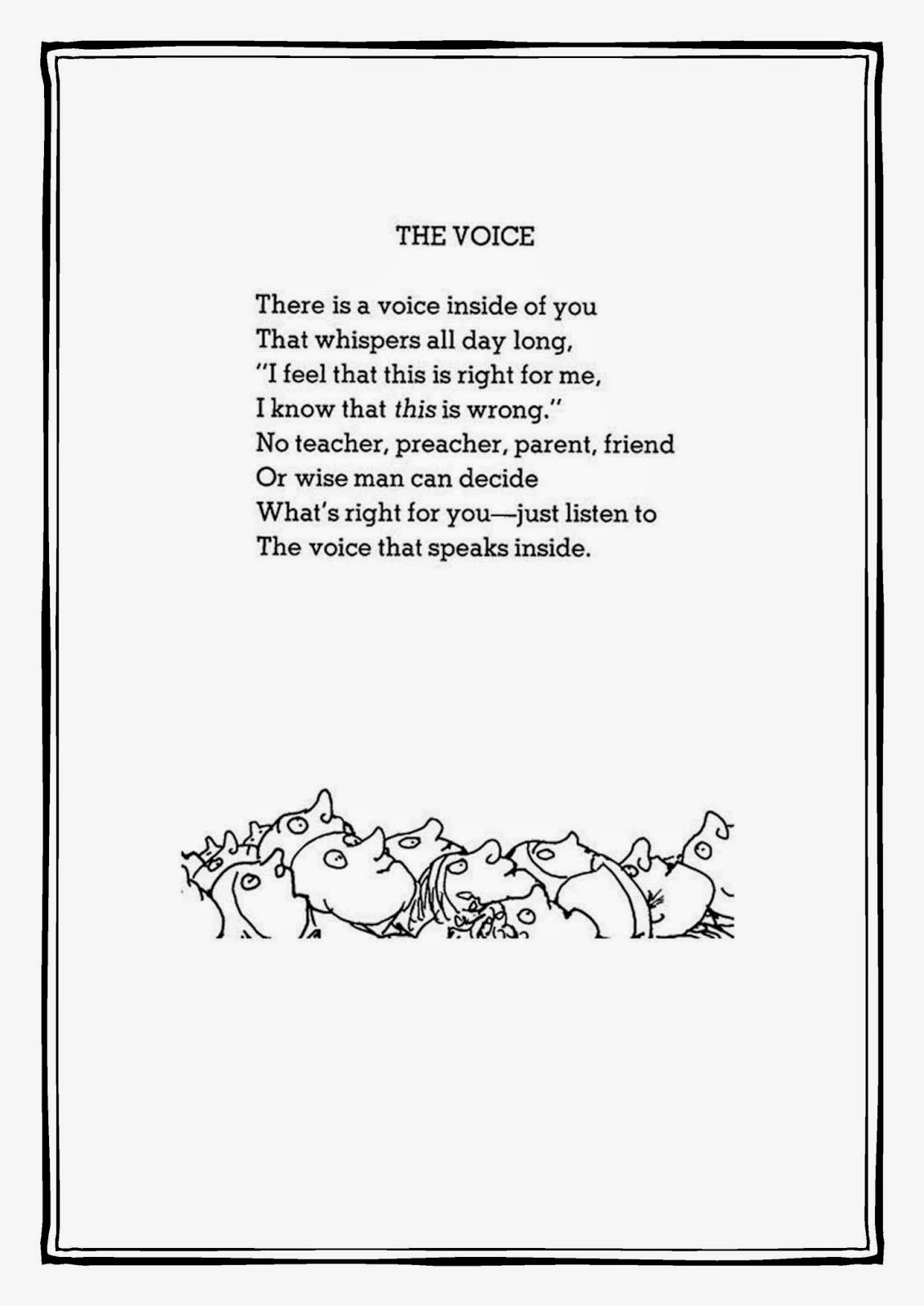
Here is the first calligraphy handout I made for my calligraphy club, featuring a poem by one of my favourite poets: Shel Silverstein. Print and enjoy. There will be more soon.